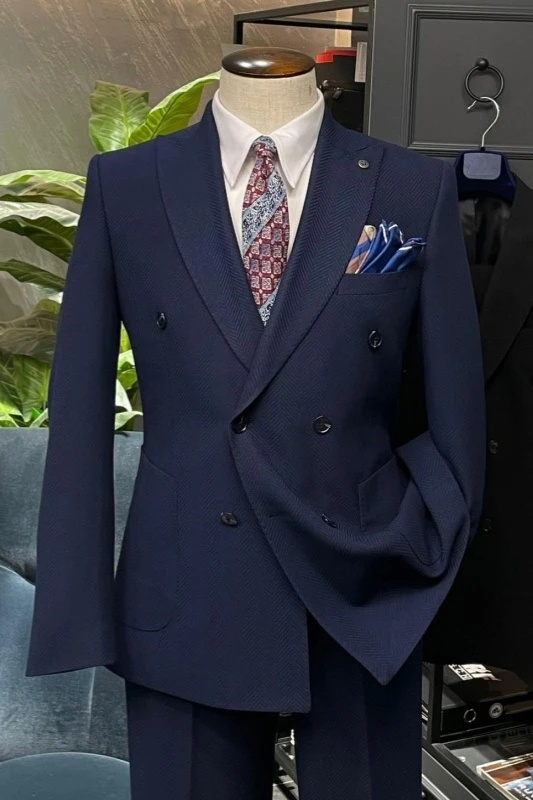
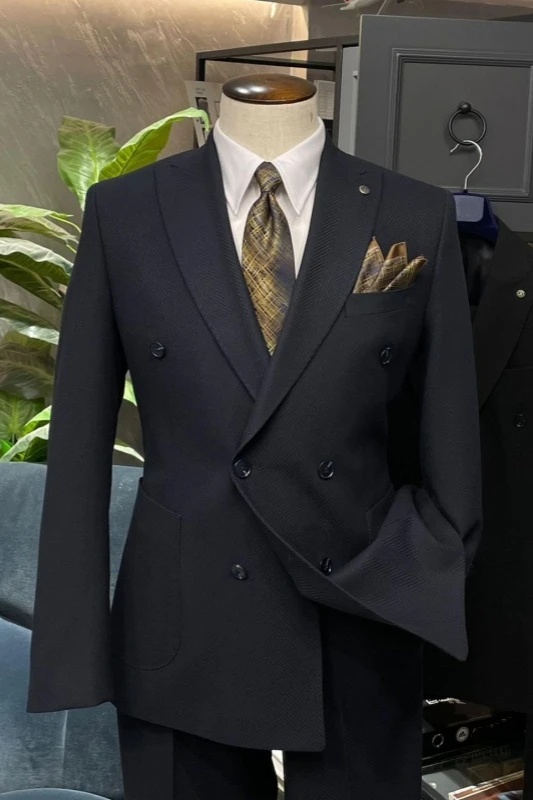
Herringbone: Savoring the Romance of Detail
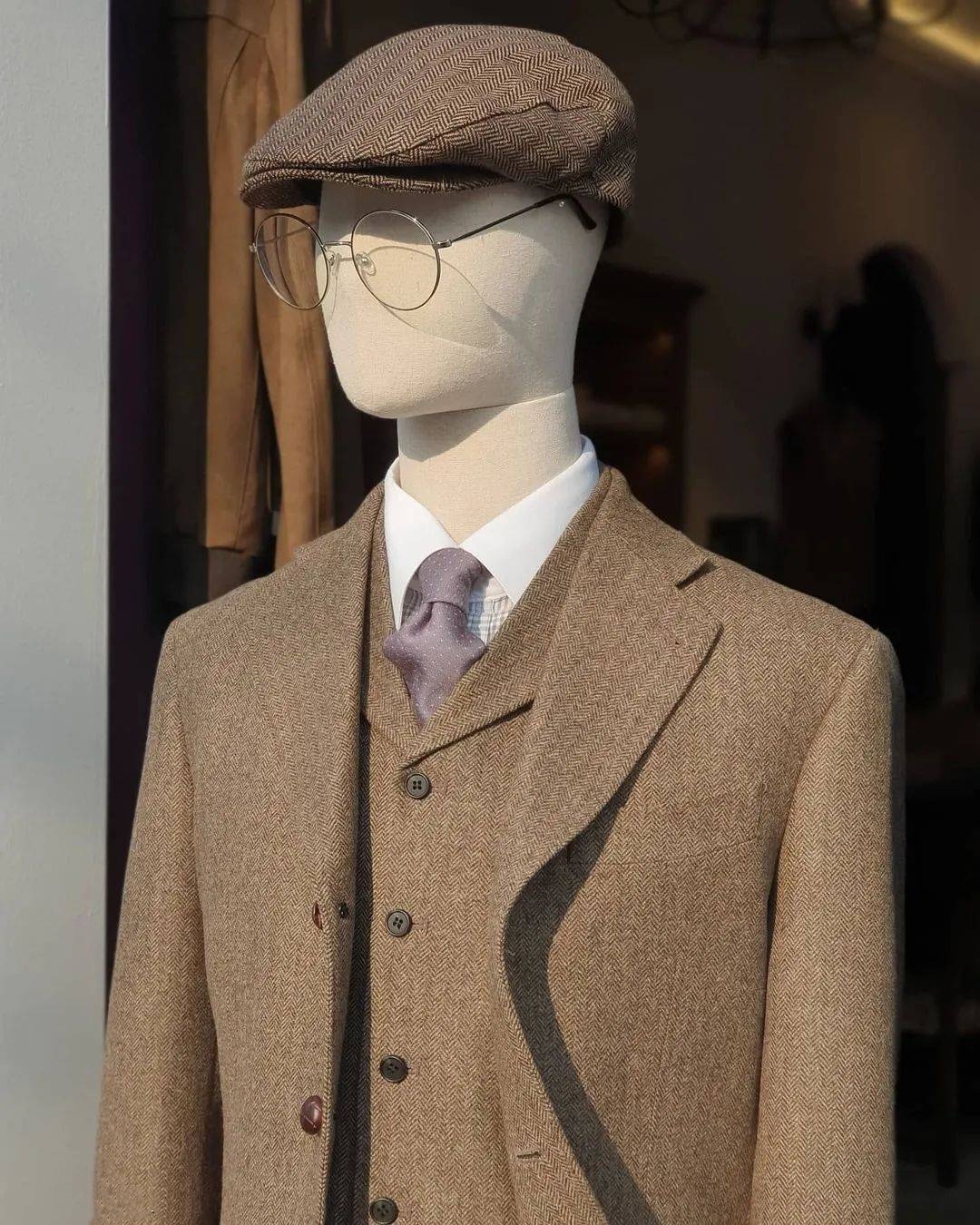
As the saying goes, "details determine success or failure." While there are countless ways to make an outfit stand out—no matter how one experiments with layering and styling variations—it is ultimately the details that serve as the decisive touch, ensuring the look never loses its focus.

So, rather than agonizing over how to layer, paying close attention to the texture and weave of your fabrics is a much more straightforward approach.
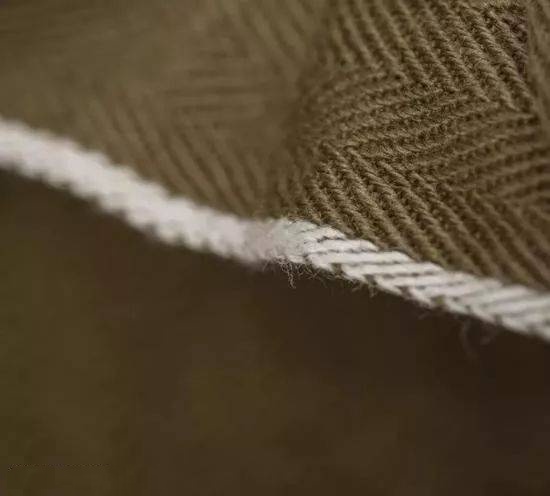
The herringbone pattern is synonymous in the world of suiting fabrics with understated sophistication. Its beauty is meant to be appreciated by those in the know; from a distance, it may appear entirely unadorned, yet upon closer inspection, one is sure to discern the exquisite, subtle taste it exudes.
The Origins of the Herringbone Pattern
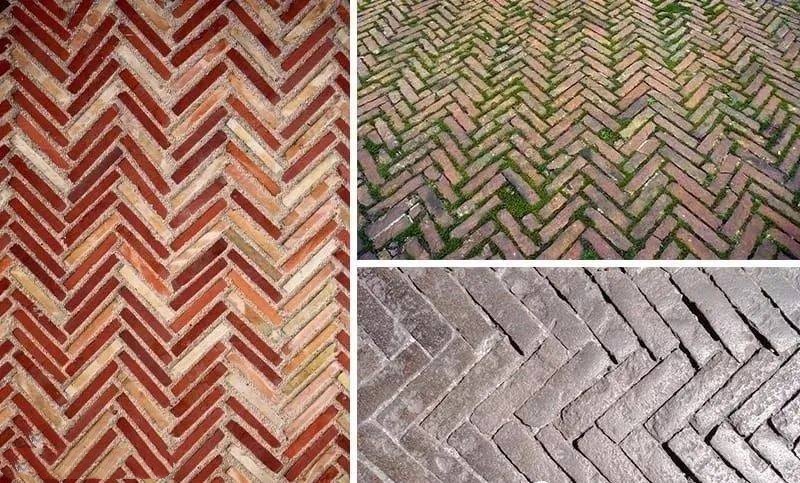
The herringbone pattern dates back to the era of the Roman Empire; this interlocking structural arrangement was employed in road construction to effectively absorb the pressure exerted on the ground by traffic—including chariots, horses, and pedestrians—thereby ensuring its longevity and durability.
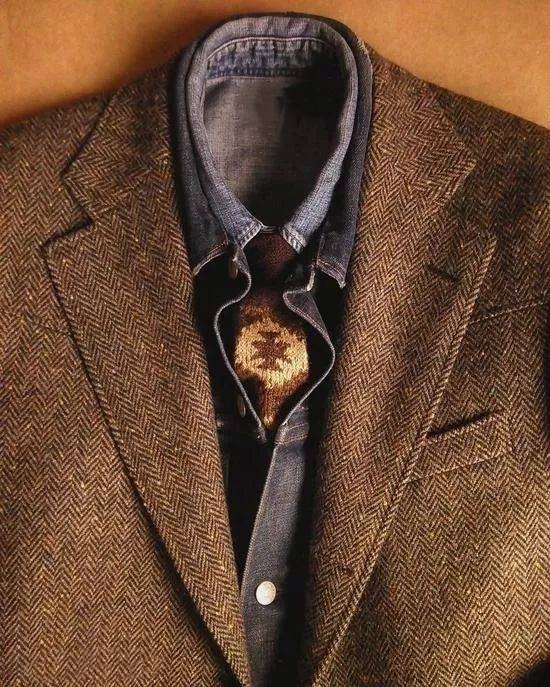
The herringbone pattern can also be found in ancient Egyptian jewelry design; however, it first appeared on fabrics in Italy. Yet, it was undoubtedly Ireland that took the application of the herringbone pattern in men's attire to its absolute zenith.

Likely owing to its long and storied history, the herringbone pattern is readily associated with classical aesthetics; yet, it possesses remarkable versatility. With the resurgence of vintage trends in contemporary times, the distinctive aura—characterized by elegance, gravitas, and sophistication—embodied by the herringbone pattern has once again captured the public's affection.
Classic Herringbone Fabric
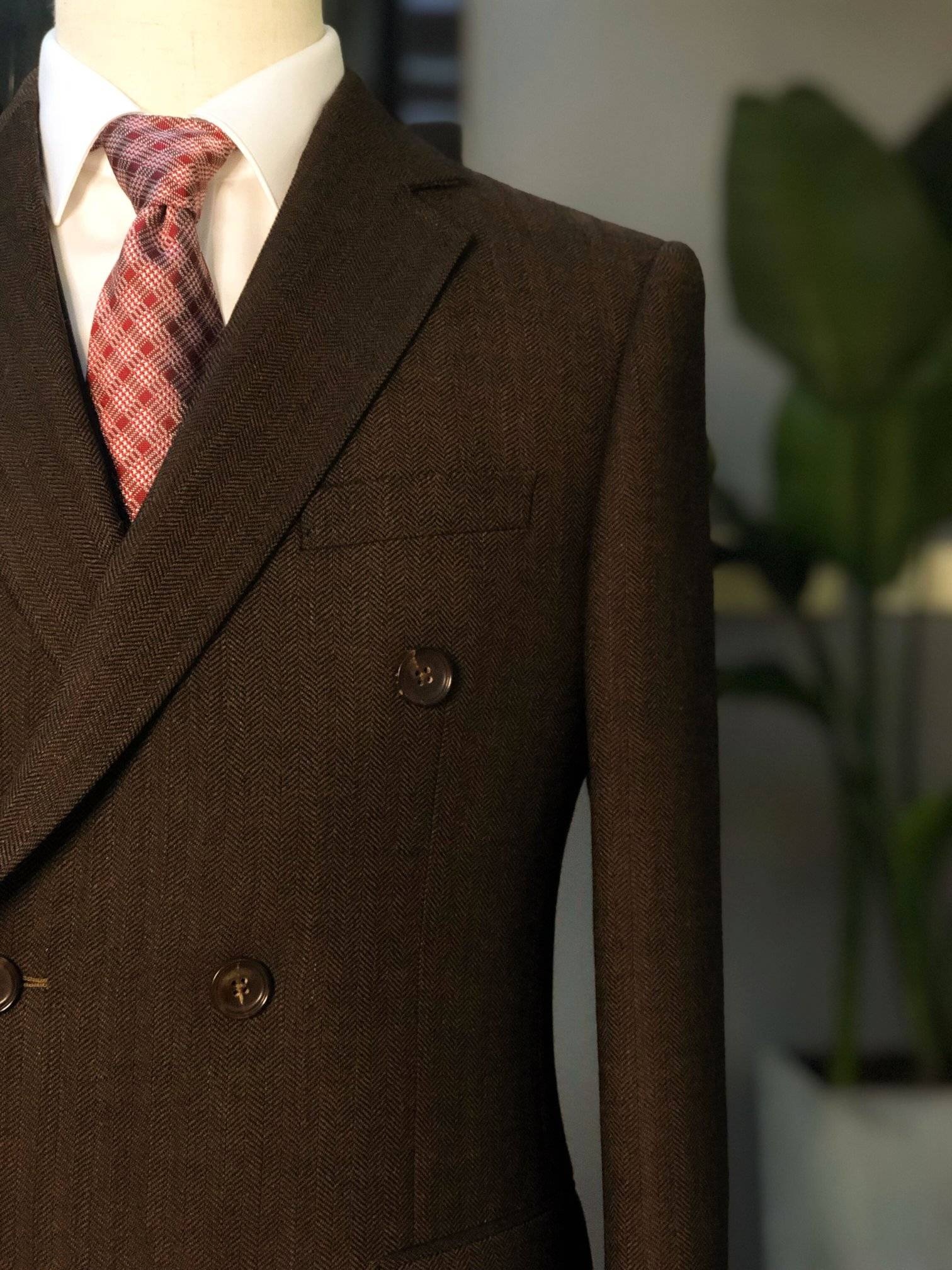
When it comes to suiting, the most iconic herringbone fabrics are tweed and Solaro.
Interestingly, due to variations in yarn thickness and weave density, they produce vastly different effects: tweed is suited for winter, while Solaro is ideal for summer.

Tweed originated in Scotland and Ireland as a hand-woven fabric crafted by farmers to withstand the damp, cold climate. Characterized by a loose weave and a rough, substantial texture—often with a slightly prickly feel—it did not initially offer a high degree of wearing comfort; however, its exceptional durability has made it a highly sought-after material.
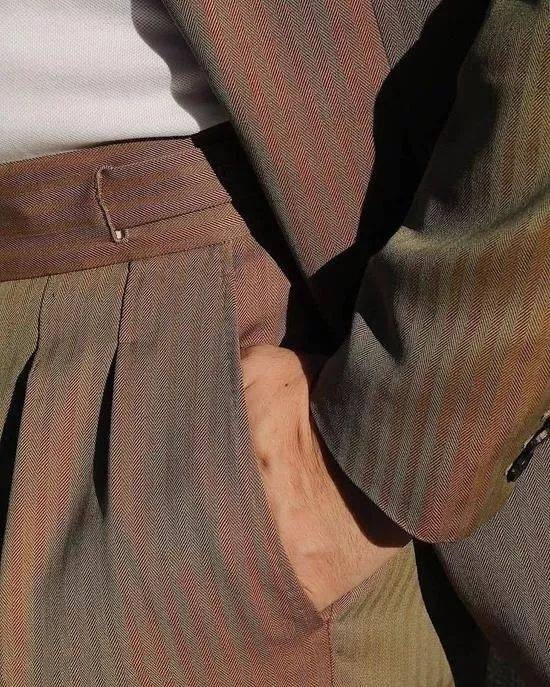
Solaro uses changes in the weaving angles of longitude and latitude to form a performance similar to dark stripes. If you look closely, it is actually a fine herringbone pattern. Because the yarn used is thin, the weave is loose, and the fabric has good drape and breathability, it is especially suitable for summer wear.