

Workwear Mistakes You Should Avoid: Common Outfit Errors That Hurt Your Professional Image
Everyone has different tastes and preferences. Even so, there are four core rules for men’s outfits that leave a positive impression on colleagues, especially most women: look neat and appropriate, ensure a proper fit, keep colors restrained, and stick to simple designs.
Besides, you also need to steer clear of common fashion missteps that work against you.
Key Point 1: Neat & Appropriate
For men’s outfits, no matter what style you choose, cleanliness is the fundamental rule. The “clean look” here means avoiding too many colors on your body; otherwise, your ensemble will easily appear messy.
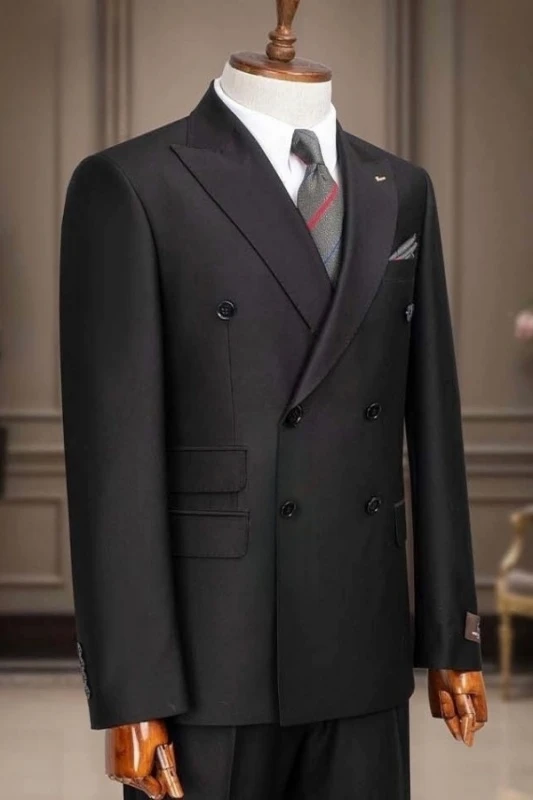
Appropriateness, on the other hand, means matching your attire to your workplace and occupation.
For lawyers and finance professionals, suits convey more reliability than T-shirts and jeans. Those working in fashion come across as more trendy in fashion-forward pieces than plain basic outfits. Meanwhile, some creative companies even allow employees to wear loungewear to and from work.
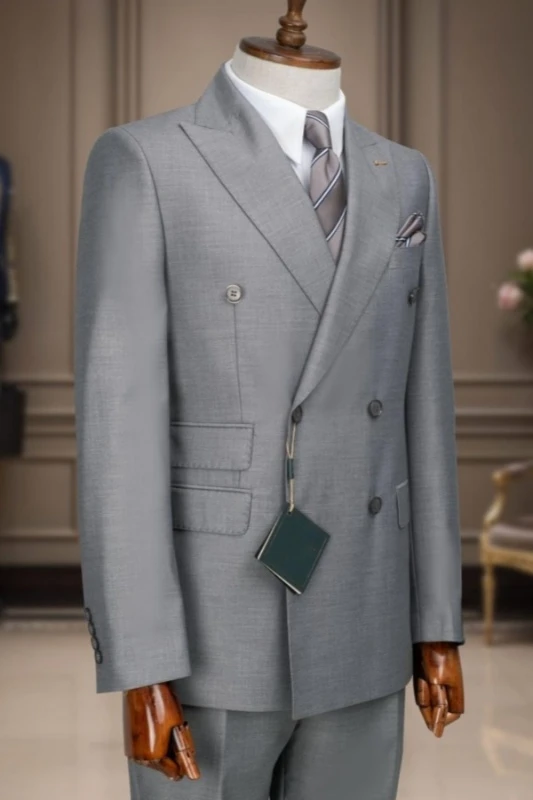
Besides this, pay attention to wrinkles on your clothing. Though it seems trivial, it greatly impacts your overall impression. Make sure to iron wrinkle-prone garments before wearing them, so you do not come across as sloppy and unpolished.
As the weather gets warmer these days, colleagues tend to work in close proximity to one another. On top of keeping your clothes neat, avoid visible sweat stains and unpleasant body odor from sweat.
Key Point 2: Proper Fit
Men’s outfits seen in street style photos and fashion magazines look pleasing and understated. A key reason lies in a proper fit. A well-fitted size does not simply mean neither baggy nor tight. Instead, it refers to the size that suits your body shape.
Just like women, men’s body shapes generally fall into five categories: rectangular, triangular, trapezoid, oval and inverted triangle. Everyone can use clothing to balance and flatter their figure.
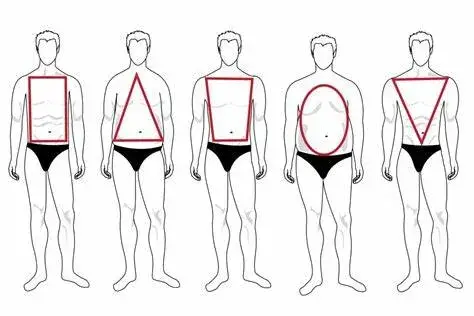
The trapezoid frame is the most versatile. It works well with nearly all styles of clothing — a natural clothes hanger. All other body types, whether slim or heavier, should highlight strengths and conceal weaknesses when dressing.
Take the oval body shape for example. It features a wider waist and is prone to a prominent belly, making it a very common male body type. Opt for receding colors or vertical stripes, and steer clear of garments with extra decorative details around the waist.
Key Point 3: Restrained Color Palette
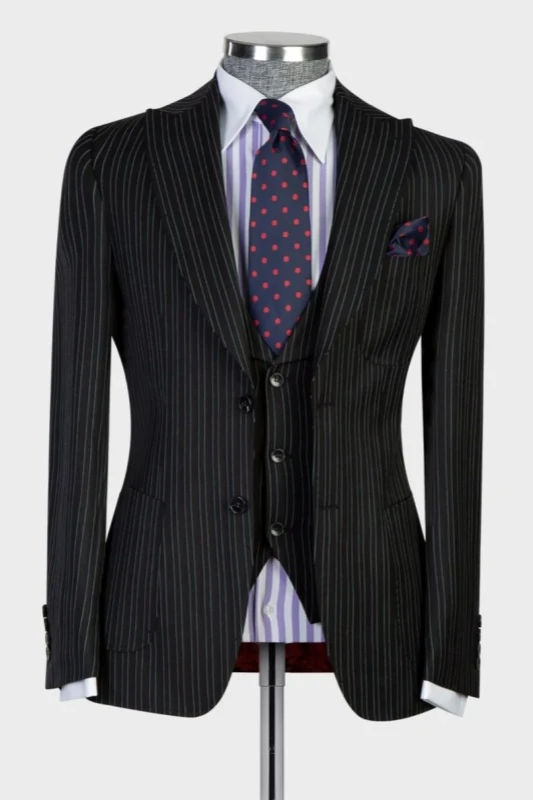
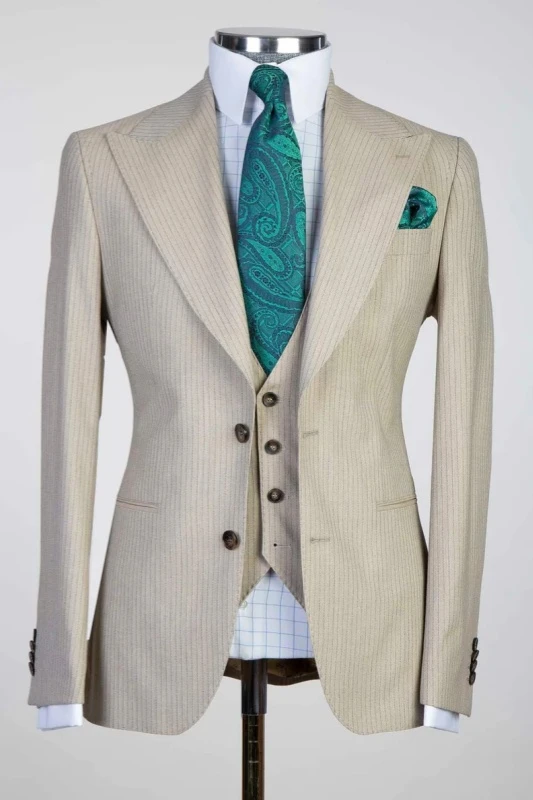
There is a highly practical styling rule called the "Three-Colour Rule", which suggests wearing no more than three colours in one outfit. This is especially important for formal business attire.
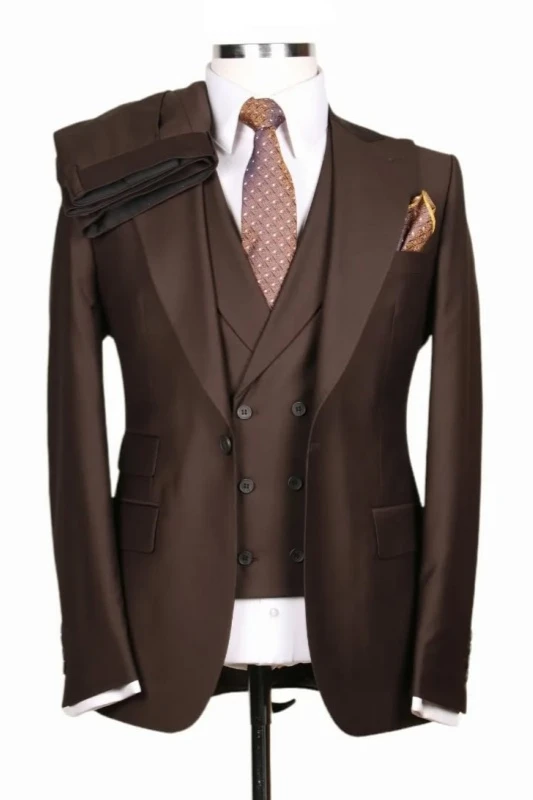
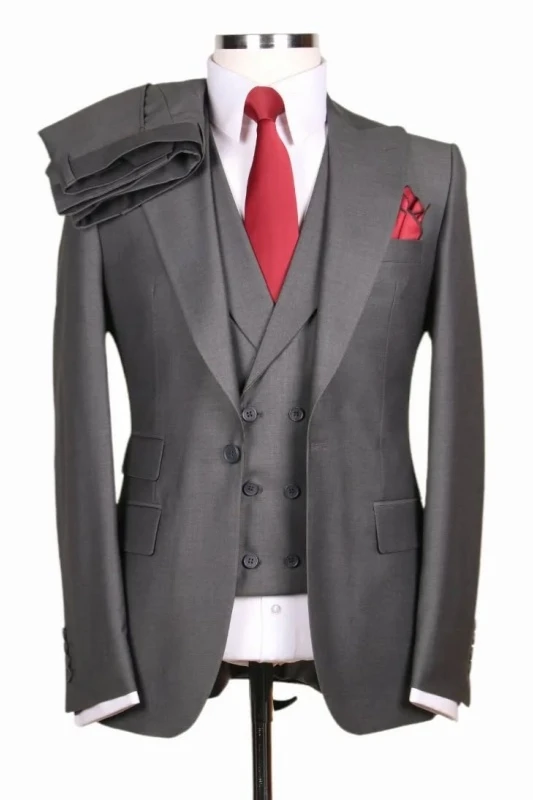
For those new to styling, too many colours tend to create a messy look. Simplicity brings greater sophistication. Monochromatic outfits or matching suit sets, for instance, let you achieve a polished look effortlessly.
Of course, some people may find this approach too plain and lacking individuality. If that’s the case, you can pick one main colour, paired with neutral supporting tones such as black, white and brown. This combination works all year round and suits every age and personal style.
Key Point 4: Simple Designs
Simplicity is a virtue when it comes to business settings. While staying true to your personal style is admirable, you need to be mindful of the corporate image you represent. Often, the simpler your outfit, the more it highlights a man’s sharpness and self-confidence. Office attire shines through simplicity, creating an impression of calmness and reliability.
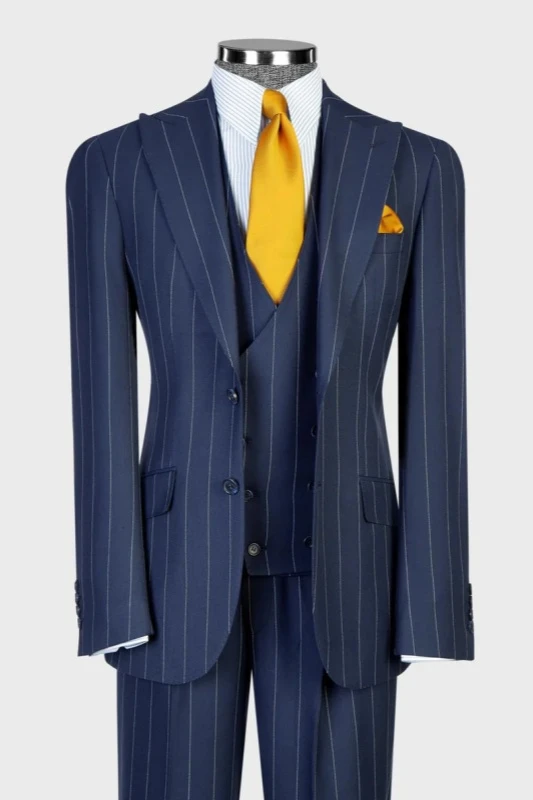
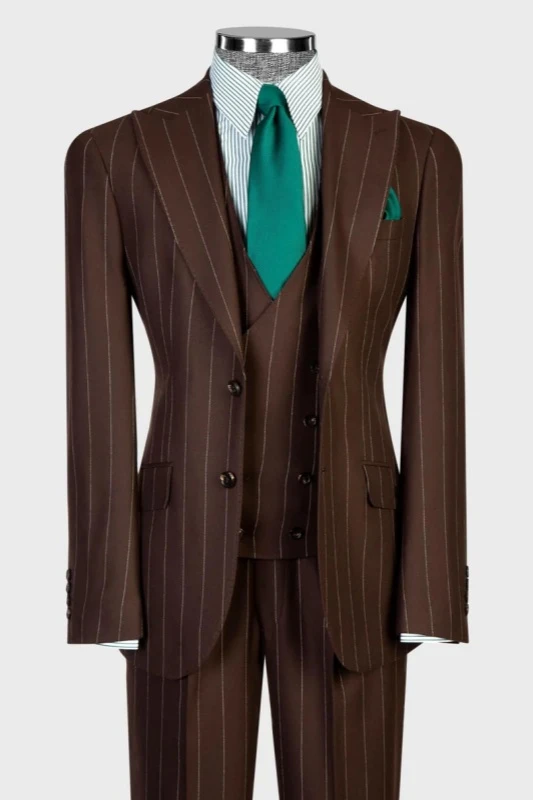
Workwear does not have to be complicated. All in all, neat, appropriate and understated outfits are the most versatile and foolproof choice. Hopefully these tips can help you leave a great impression in the workplace.